WEBP is a modern image format developed by Google and released back in 2010. It was built with one clear goal in mind: to make images on the web smaller without making them look worse.
And it does that job really well.
As compared to JPG and PNG, WEBP delivers significantly smaller file sizes while maintaining excellent visual quality. That means faster-loading web pages, lower bandwidth usage, and a better experience for website visitors. You achieve all this without any visible difference in how images actually look.
WEBP supports everything you would expect from a modern format. It handles transparency just like PNG, supports animations just like GIF, and compresses photographs efficiently just like JPG. In many ways, it combines the best qualities of older formats into a single format.
Today, WEBP is supported by all major browsers, including Chrome, Firefox, Safari, and Edge. It has become the preferred image format for web developers and SEO professionals who care about page speed and performance.
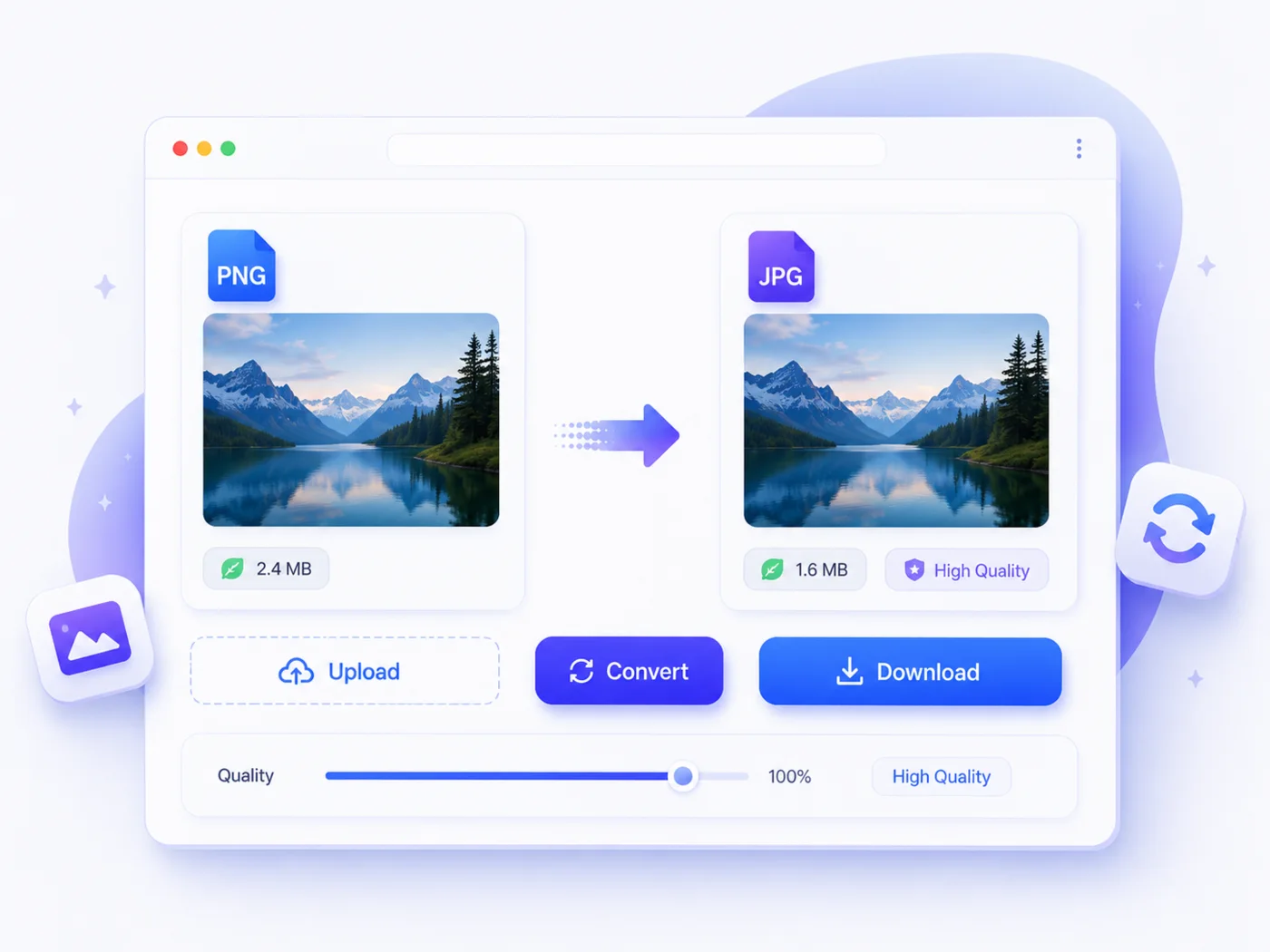
Remember, WEBP is not universally supported everywhere outside the browser. Older software, certain design tools, some social media platforms, and most print workflows still prefer JPG, PNG, or TIFF. That is exactly where a reliable WEBP converter becomes essential.